

The Top 5 Extra Courses Needed To Enhance Your Yachting Career
We all know that the Yachting industry promises travel and serious financial advancements, but with over 20,000 yachts currently in the world – and growing exponentially by the month – it is becoming increasingly difficult to stand out when applying for a job onboard a super yacht.
It is vital to continue your development to work your way up the ranks as well as the salary bracket. Ensuring you hold knowledge and practical experience of key areas others might not – will surely help you stand out a cut above the rest.
Having an international driving license can be a big advantage as it allows the crew to collect provisions and transport guests to restaurants, tourist spots and airport.
Tender/powerboat handling
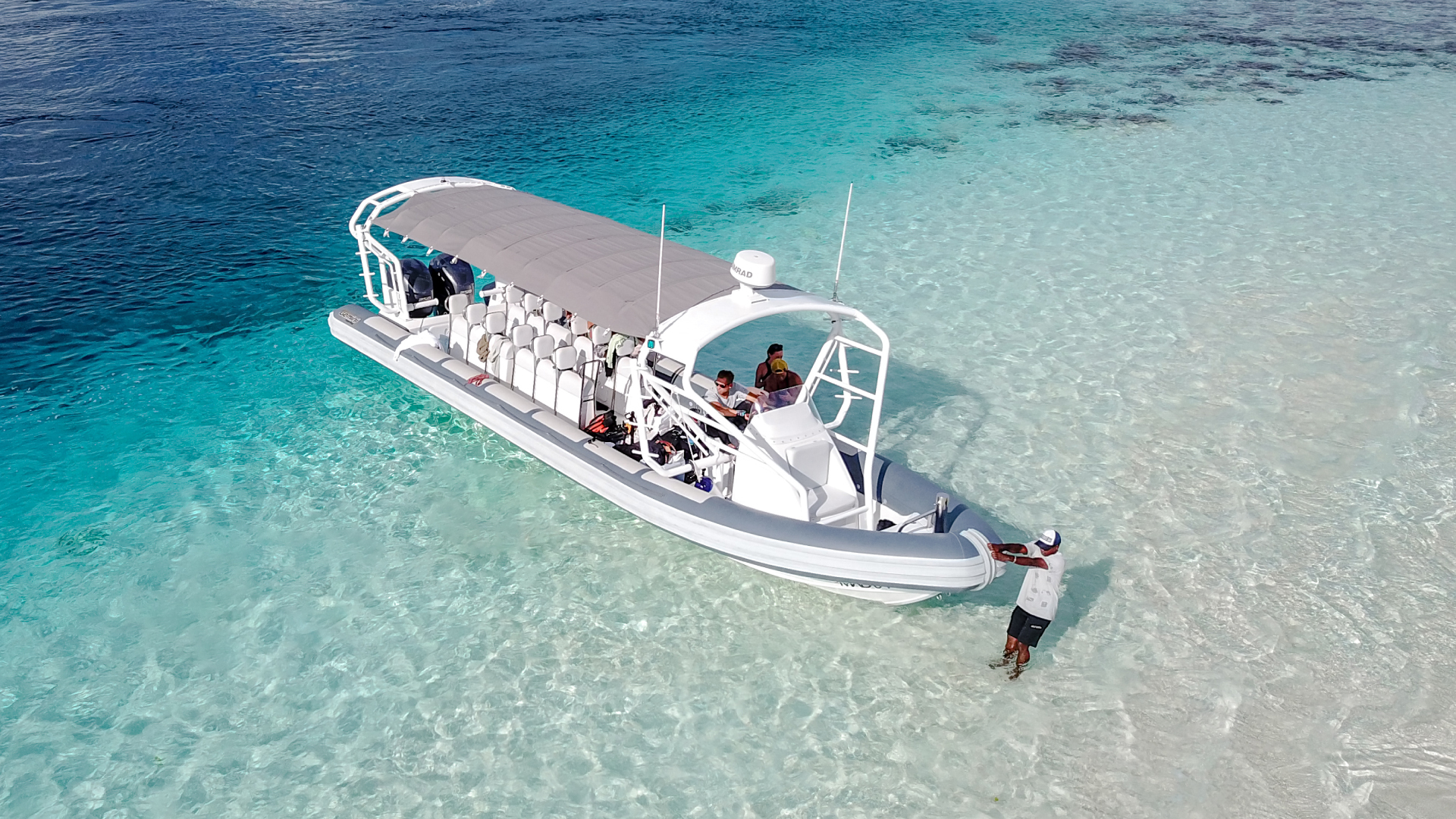
A yacht tender is a smaller vessel used for servicing and providing support and entertainment to the guests on a yacht. It is simply called a tender. because it tends to the needs of the larger craft by transporting people or supplies to and from shore and the yacht.
Training and equipping yourself with sufficient knowledge on how to launch, recover, anchor, steer and handle these nifty little boats will make you valuable for recreation, business and rescue purposes.
Watersports
Many superyachts have exclusive, state of the art watersports equipment onboard, ensuring guests have every option to enjoy the vast open waters that surround them. These can range from wind-reliant activities such as windsurfing to motorised activities such as jetboots, jet skis to other activities such as paddleboarding and wakesurfng.
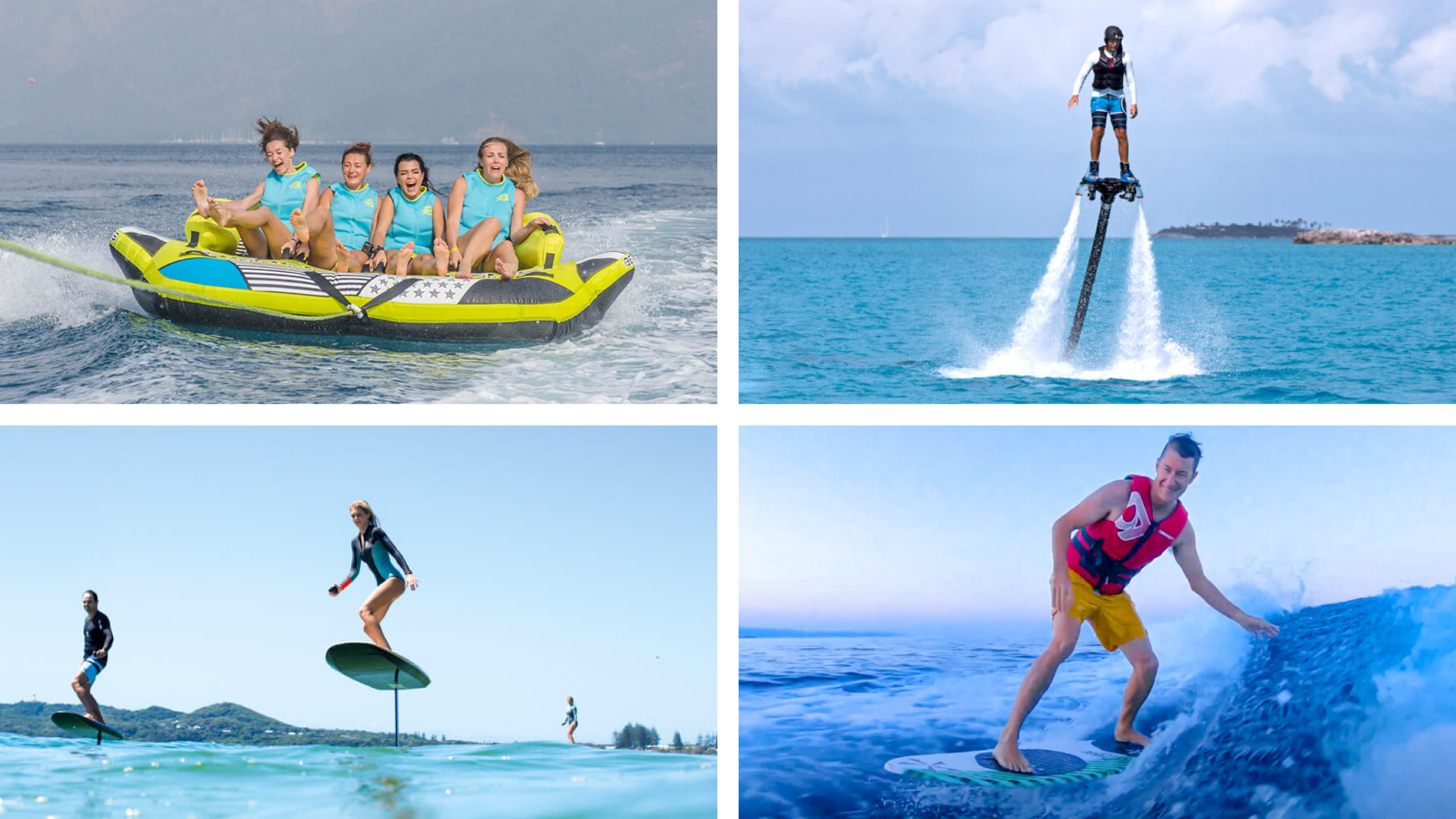
Not only is it important to know how to set these activities up, but also to ensure the safety of everyone involved as well as how to maintain and store the equipment at sea.
Applying for a job on a superyacht stating your understanding of the key elements that involve watersports activities on a superyacht will open you up to positions on bigger, more exclusive superyachts.
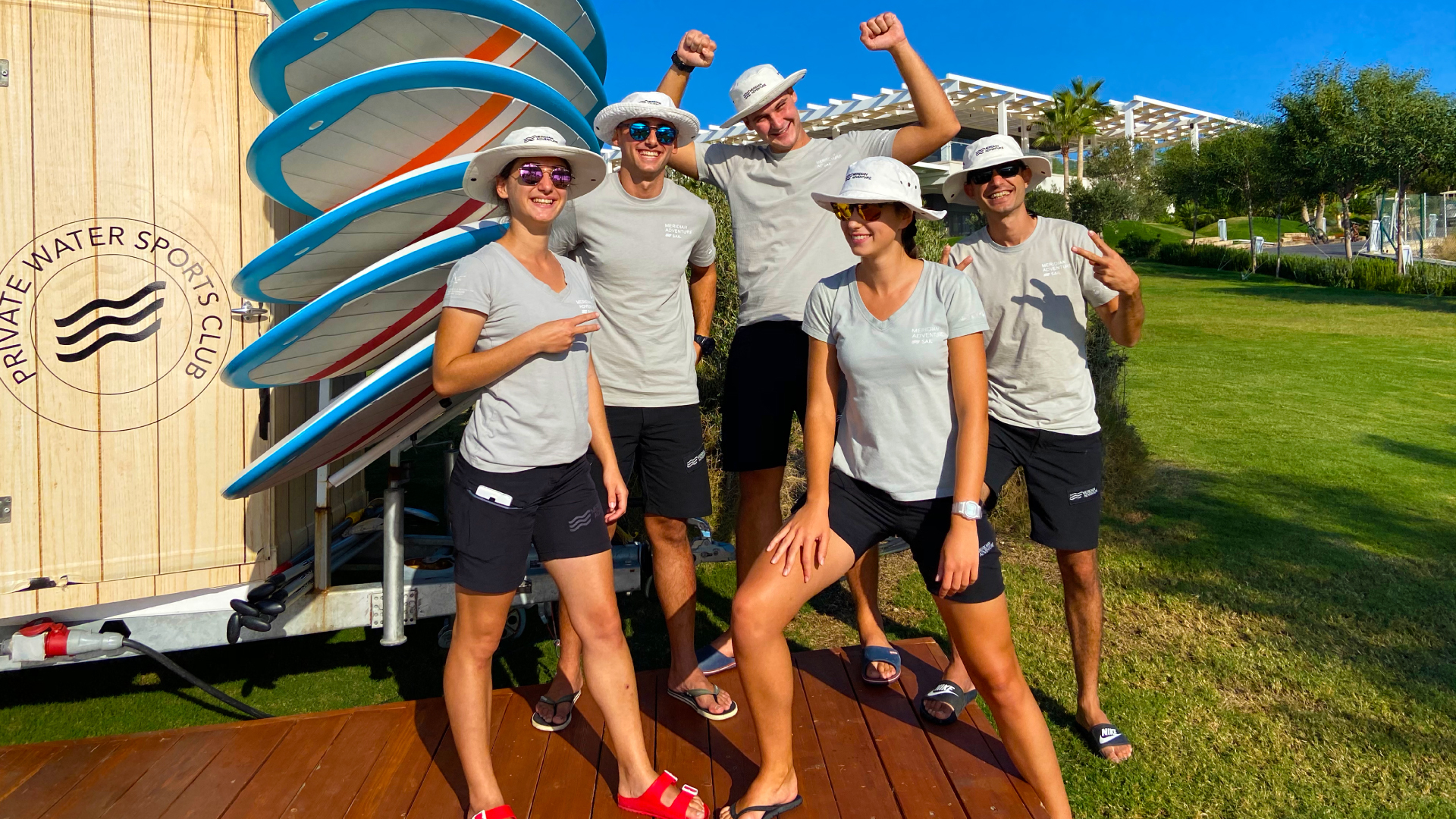
The cadets at The Academy in Turkey, working at the residential watersports club as part of their training.
Scuba Dive
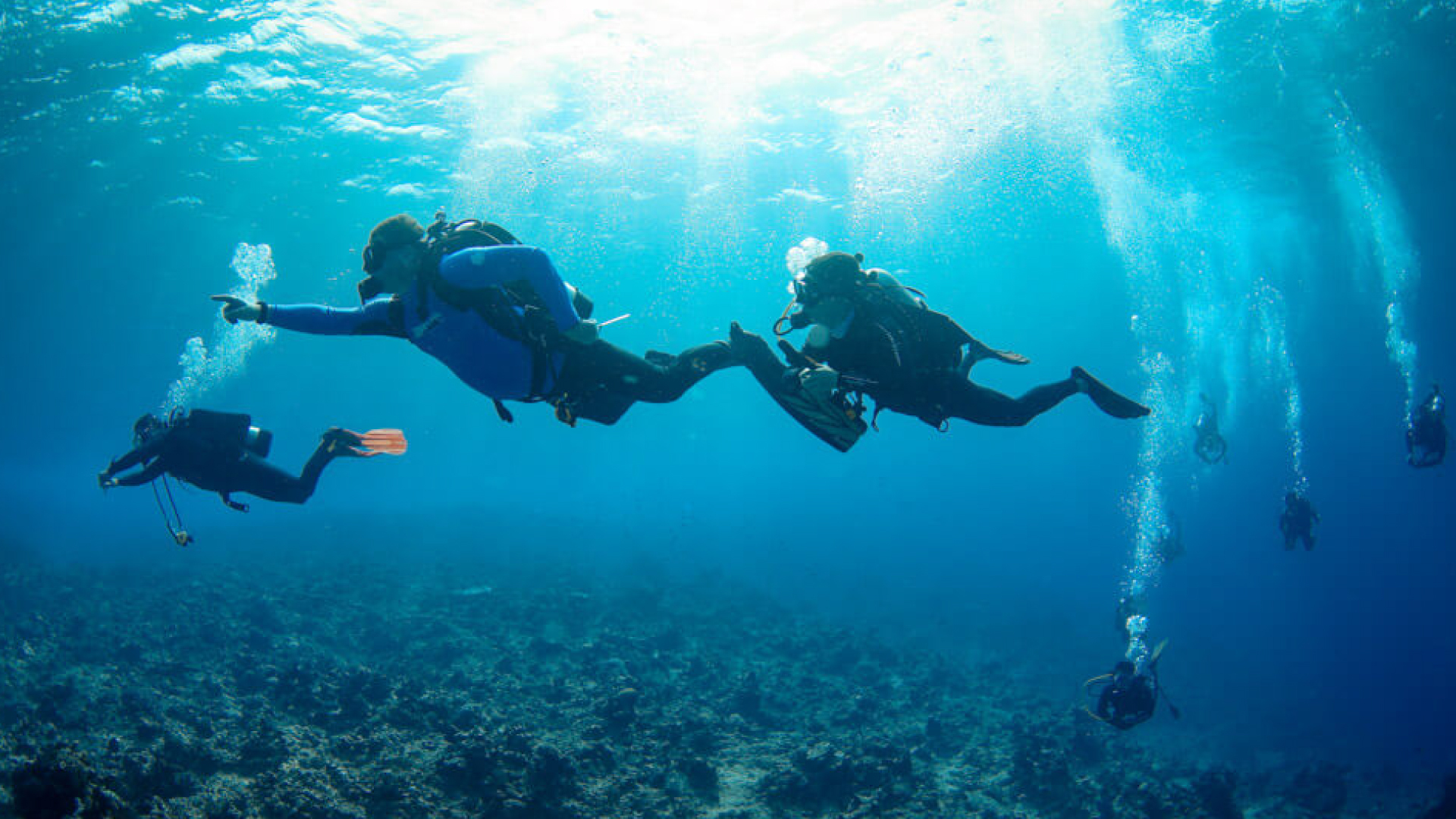
Scuba diving qualifications are beneficial for recreation and rescue purposes onboard. Many engineers also do their scuba dive training to be able to ensure maintenance and checks can be done at sea. Most superyachts only require an Open water certificate, but enhancing your knowledge with courses such as Coral, Sharks, Night Visibility etc. will help you stand out when a Captain has an adventurous itinerary or owner.
- PADI Scuba Diver or Junior PADI Scuba Diver To Start.
- Open Water Diver (OWD) Or Junior Open Water Diver: A Scuba Diving Certification Level That Gives You Autonomy.
- Advanced Open Water Diver (AOWD) Is the Third Amateur Scuba Diving Certification Level.
- There Is Scuba Diving Certification Level for Rescue Divers.
- Master Scuba Diver Is the Highest Recreational Scuba Diving Certification Level.
- Dive Master Is the Scuba Diving Certification Level to Start Your Professional Career.
- Assistant Instructors, Always Ready To Help.
- Open Water Scuba Instructor (OWSI) Is the Scuba Diving Certification Level That Allows You to Certify Others.
- Master Scuba Diver Trainer, One More Professional Scuba Diver Certification Level.


International driving license
Having an international driving license can be a big advantage as it allows the crew to collect provisions and transport guests to restaurants, tourist spots and airports.
A Business Qualification/Course
The industry does not require crew members to hold Master Degrees, but having business acumen will make you more attractive to any Captain who values innovation and problem solving. Being able to work and understand budgeting, forecasting and leadership values that enhance team work will help you climb the ranking a lot faster than your peers.
Additional Qualifications
- Electronic chart display and information systems – this is an excellent extra course to do after you have completed your STCW. Also, a great way to show the captain that you are willing to go the extra mile and that you are keen to pursue a career in the yachting industry for the long run.
- Approved Engine course – This shows diversification and that you can be an all-round team player and that you are willing to adapt to different departments. thus, making you a valuable crew member.
- Recreational or professional sailing qualification – basic understanding of sailing procedures is a must if you are looking for a position on a sailing vessel.
- Advanced Medical aid courses – this is a huge promoting factor and will definitely put you a step ahead.
- Visas – Schengen Visa and B1/B2 Visas are a huge plus, showing that you have been approved for previous visas is great and you will more than likely be travelling to these areas as the maritime industry predominantly operates out of these areas.