
Top-Level Vetting and Curation
The proliferation of online courses has led to a daunting array of options, leaving crew members uncertain about which ones are truly beneficial for their career goals. Academy by Ephemeris stands out as the most comprehensive careers guidance platform, but it doesn’t list just any course that comes along.

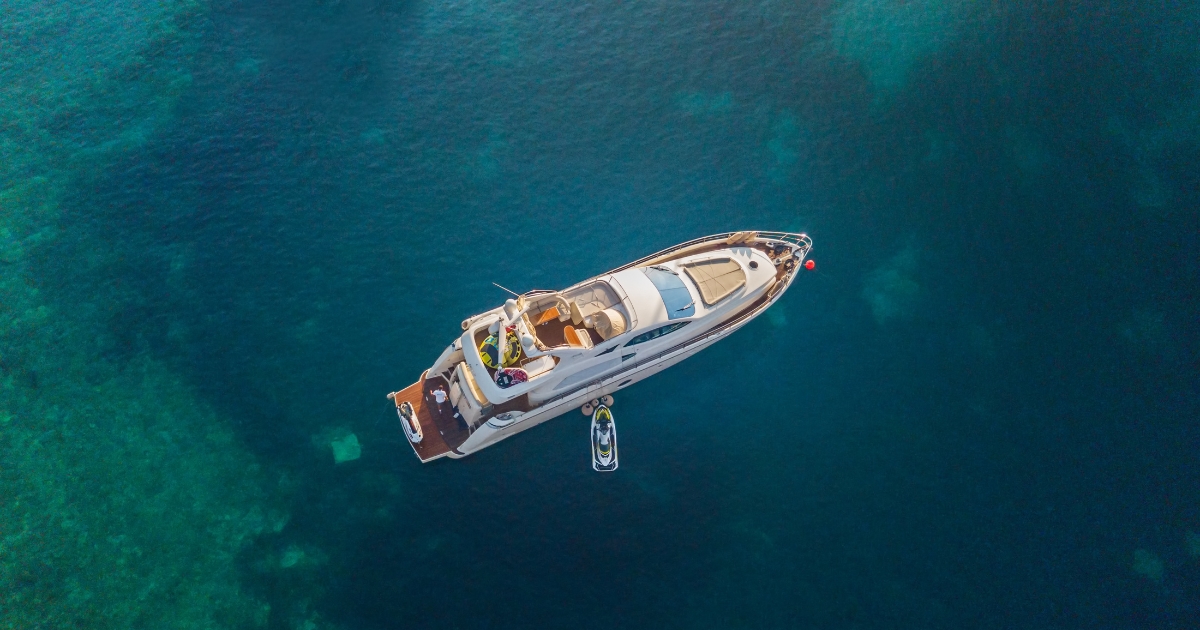

Many crew members go into the industry with the goal of becoming a photographer but most actually discover that passion when they are out at sea. That’s probably because the super yacht industry promises the opportunity to visit hidden pockets, beautiful landscapes and awe-inspiring sightings such as marine life, sunsets and even storms.
Many yachts have the basic camera gear for capturing those special moments, but when you enter the ranks of the mega yachts – they might have everything from the most expensive underwater cameras, drones, gimbals and batteries. Besides being able to work the gear in the most efficient and reliable way possible, you would also need to know how to maintain them properly when out at sea.
Camera lenses, screws and hinges can easily rust and damage and it is vital to maintain and store them properly.
What is the basic camera gear I need to know when entering the industry?
An underwater camera. Guests love being able to enjoy their underwater experience without the extra burden of trying to capture every moment. Being able to record their underwater adventure is highly valued on all yachts. Most cameras have an underwater setting, which is easy to turn on – this simply means that the camera will bring through the magentas and reds underwater. If you have a GoPro, you can also opt for using a lens attachment that ensures you get the correct colour grading underwater.

A Red filter is the most commonly used. This filter is optimised for use in blue water, while a magenta filter is optimised for use in green water.
Take your fish eye lens or switch your camera to a wide setting to ensure you are able to capture as much as possible. You can always edit it afterwards, but out of experience – we’ve realised the widest setting offers the most exposure. When shooting specifically for macro (smaller marine life), you would want to set your camera to capture in Linear, but the challenge comes in when trying to capture both in one dive.
If your underwater housing allows you to touch the screen and switch between the two, then great! Otherwise, we’ve noticed sticking to the wide angle/fish eye lens and just moving really, really close to capture smaller critters – really works.
How to take care of camera equipment at sea
You will be working with very expensive gear, so it is vital to know and understand how to take care of lenses, cameras and attachments. After every use, we recommend you decal the equipment, meaning sitting down in an airconditioned room, taking the gear apart, cleaning it and storing it immediately. The humidity, salt water and sand can really wreak havoc on your gear – here is how to take care of your camera equipment when out at sea:

- When working with underwater cameras, we recommend sitting in an airconditioned room as the built-up fog will take even longer to dissolve if not.
- Attachment, gimbals, selfie sticks etc. all have hinges that need to be unscrewed to ensure you wipe off any hidden pieces of salt and sand that might cause rust.
- Take an earbud and wipe every screw, hook and cranny where possible.
- Use a fibre cloth and simple cleaning agent to clean lenses after you have removed them from their casing and camera and store them when fully dried.
- Place equipment in their sponge compartments and start charging batteries and downloading all footage for the day.
Simple Tips and tricks to know when handling camera gear out at sea
These might sound extremely dumb to most, but believe us – the basics are normally the things most crew forget which leads to cameras falling into water or bashing into metal fixtures on the boat. It is very important to NOT RUN when you have a camera in your hand – stay calm and in control of your gear at all times.
When handling cameras such as your Nikons or Canons, ensure the strap is over one shoulder whilst holding the camera in the opposite hand. This ensures the camera will not be dangling on your side, swinging and bashing against things that might damage it. When working with GoPros, we suggest you keep it in its underwater casing just in case it falls into the water. Ensure your underwater casing is on before you get onto the dive tender and do not attempt to gear up your camera whilst on the go – this can lead to the camera falling off the boat and being lost forever.
And here is our best advice – always ensure you have at least two sets of extra batteries at hand!
How to become a crew photographer
Having the experience and knowledge on how to handle the various types of gear will help you to advance into this position. It will also be beneficial to take a photography course to ensure you understand things like exposure, framing and shutterspeeds – which form the basics of photography. Adventure photography (which forms the biggest part of a life onboard as it can be fast paced) needs a special type of eye and experience, so practice practice practice and don’t miss those special moments, because we all know – a Whale Shark waits for no one!

Another vital course to consider it Drone Flying. It is growing exponentially within the industry and since it’s a very pricey piece of equipment, knowing how to pilot and care for a drone will be essential skills when trying your hand at Yacht Photographer.
Editing

Familiarise yourself with the basics of photo and video editing.
You get a lot of free programmes that can assist you and we suggest looking for the top 5 photo and video apps on your App Store to test a few out before investing in a paid version. We prefer mobile because it ensures we stay on the move.
We all know that the Yachting industry promises travel and serious financial advancements, but with over 20,000 yachts currently in the world – and growing exponentially by the month – it is becoming increasingly difficult to stand out when applying for a job onboard a super yacht.
It is vital to continue your development to work your way up the ranks as well as the salary bracket. Ensuring you hold knowledge and practical experience of key areas others might not – will surely help you stand out a cut above the rest.
Having an international driving license can be a big advantage as it allows the crew to collect provisions and transport guests to restaurants, tourist spots and airport.
Tender/powerboat handling
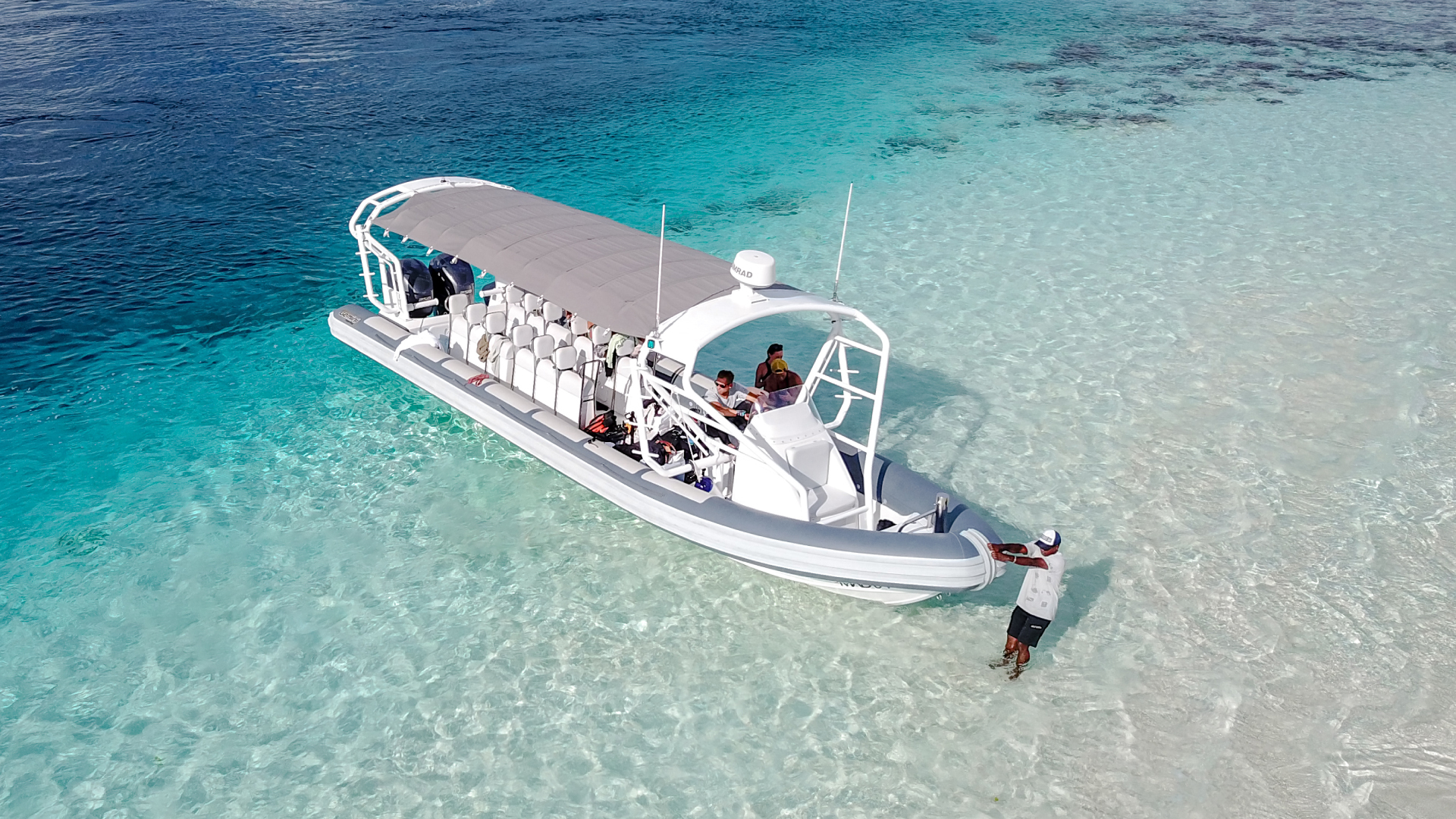
A yacht tender is a smaller vessel used for servicing and providing support and entertainment to the guests on a yacht. It is simply called a tender. because it tends to the needs of the larger craft by transporting people or supplies to and from shore and the yacht.
Training and equipping yourself with sufficient knowledge on how to launch, recover, anchor, steer and handle these nifty little boats will make you valuable for recreation, business and rescue purposes.
Watersports
Many superyachts have exclusive, state of the art watersports equipment onboard, ensuring guests have every option to enjoy the vast open waters that surround them. These can range from wind-reliant activities such as windsurfing to motorised activities such as jetboots, jet skis to other activities such as paddleboarding and wakesurfng.
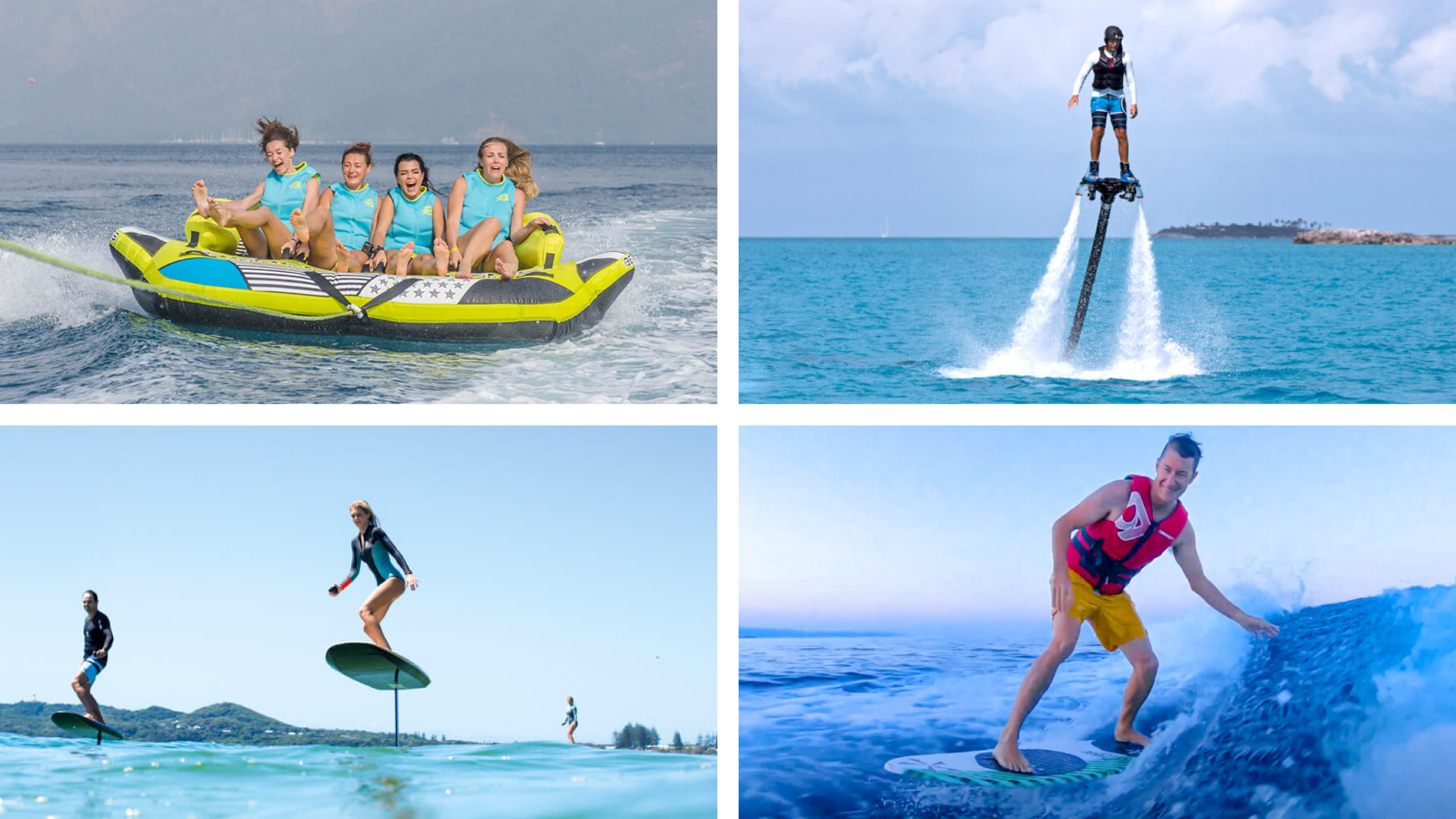
Not only is it important to know how to set these activities up, but also to ensure the safety of everyone involved as well as how to maintain and store the equipment at sea.
Applying for a job on a superyacht stating your understanding of the key elements that involve watersports activities on a superyacht will open you up to positions on bigger, more exclusive superyachts.
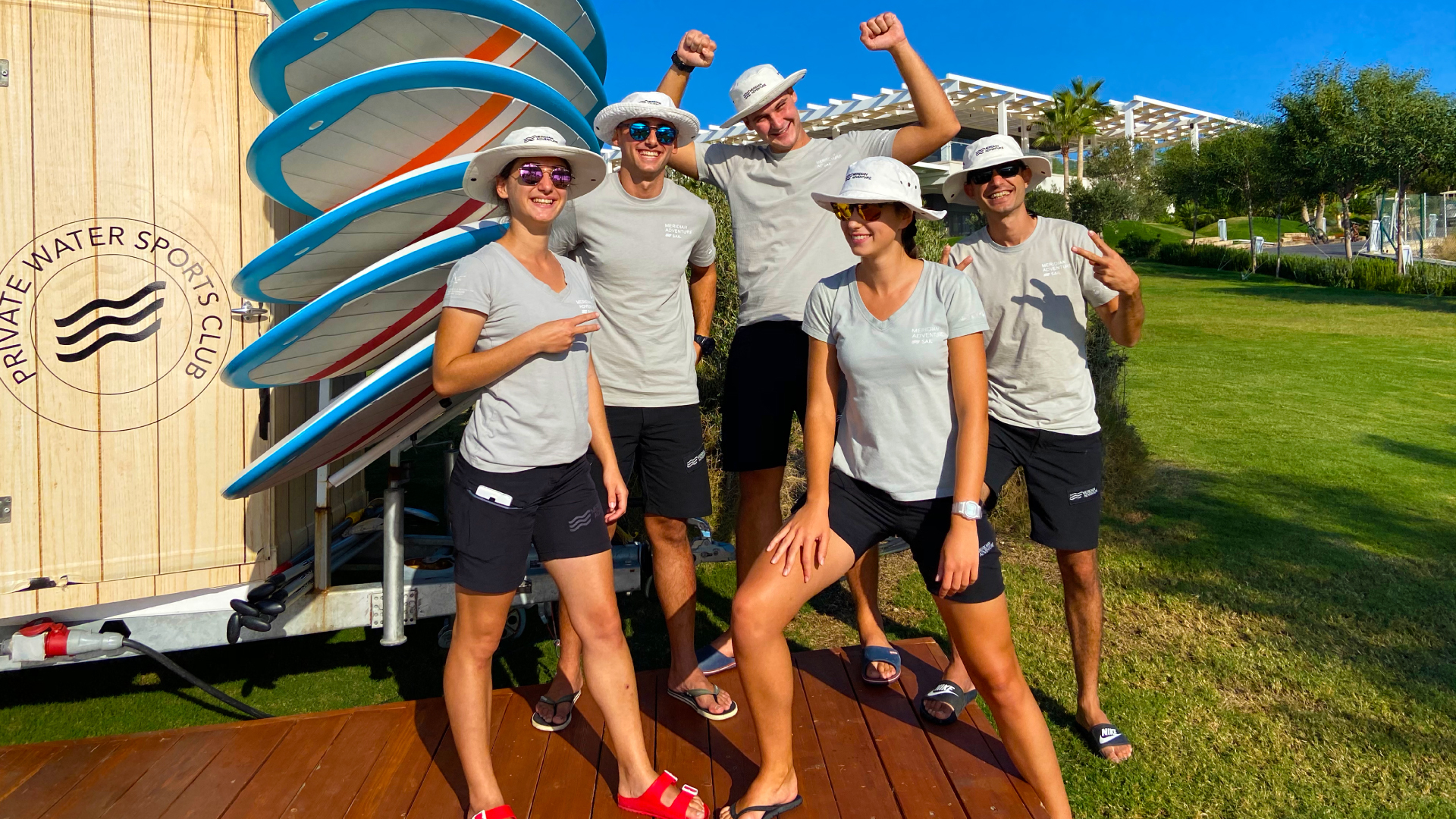
The cadets at The Academy in Turkey, working at the residential watersports club as part of their training.
Scuba Dive
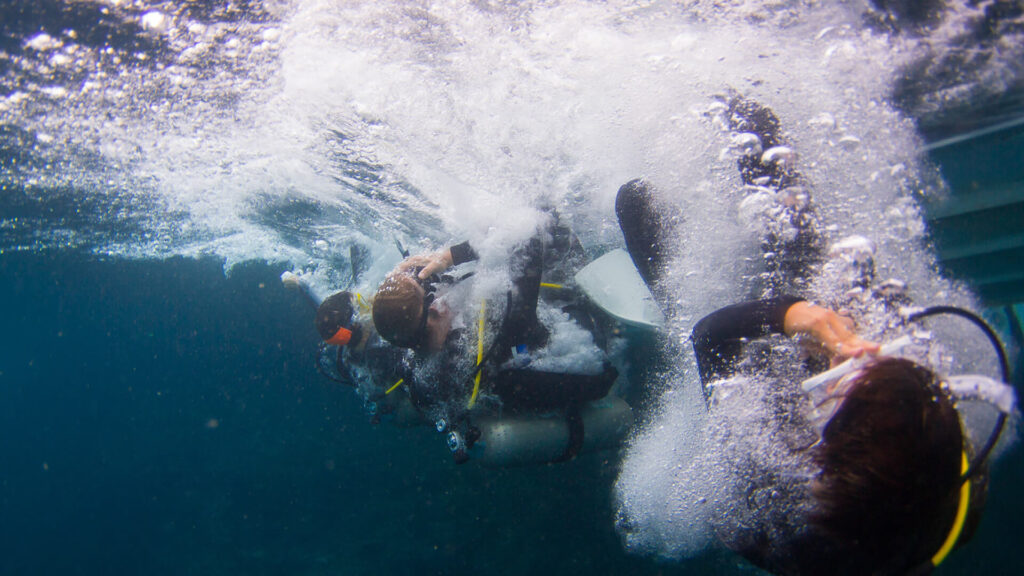
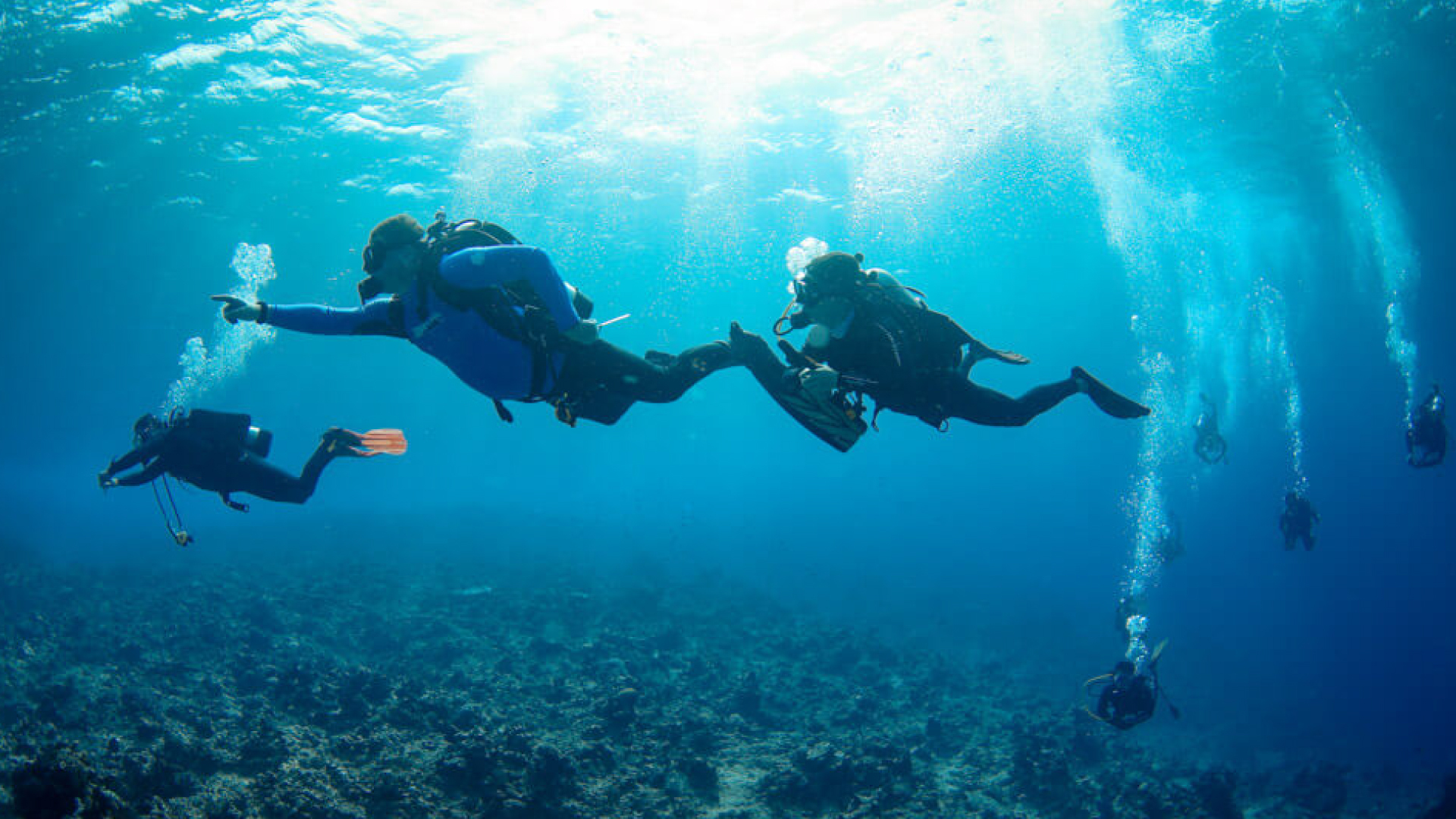
Scuba diving qualifications are beneficial for recreation and rescue purposes onboard. Many engineers also do their scuba dive training to be able to ensure maintenance and checks can be done at sea. Most superyachts only require an Open water certificate, but enhancing your knowledge with courses such as Coral, Sharks, Night Visibility etc. will help you stand out when a Captain has an adventurous itinerary or owner.
- PADI Scuba Diver or Junior PADI Scuba Diver To Start.
- Open Water Diver (OWD) Or Junior Open Water Diver: A Scuba Diving Certification Level That Gives You Autonomy.
- Advanced Open Water Diver (AOWD) Is the Third Amateur Scuba Diving Certification Level.
- There Is Scuba Diving Certification Level for Rescue Divers.
- Master Scuba Diver Is the Highest Recreational Scuba Diving Certification Level.
- Dive Master Is the Scuba Diving Certification Level to Start Your Professional Career.
- Assistant Instructors, Always Ready To Help.
- Open Water Scuba Instructor (OWSI) Is the Scuba Diving Certification Level That Allows You to Certify Others.
- Master Scuba Diver Trainer, One More Professional Scuba Diver Certification Level.


International driving license
Having an international driving license can be a big advantage as it allows the crew to collect provisions and transport guests to restaurants, tourist spots and airports.
A Business Qualification/Course
The industry does not require crew members to hold Master Degrees, but having business acumen will make you more attractive to any Captain who values innovation and problem solving. Being able to work and understand budgeting, forecasting and leadership values that enhance team work will help you climb the ranking a lot faster than your peers.
Additional Qualifications
- Electronic chart display and information systems – this is an excellent extra course to do after you have completed your STCW. Also, a great way to show the captain that you are willing to go the extra mile and that you are keen to pursue a career in the yachting industry for the long run.
- Approved Engine course – This shows diversification and that you can be an all-round team player and that you are willing to adapt to different departments. thus, making you a valuable crew member.
- Recreational or professional sailing qualification – basic understanding of sailing procedures is a must if you are looking for a position on a sailing vessel.
- Advanced Medical aid courses – this is a huge promoting factor and will definitely put you a step ahead.
- Visas – Schengen Visa and B1/B2 Visas are a huge plus, showing that you have been approved for previous visas is great and you will more than likely be travelling to these areas as the maritime industry predominantly operates out of these areas.